Ticket authenticity verification is the process of confirming that a concert ticket is genuine before you use it to enter an event. Counterfeit tickets are a growing problem for music fans, and knowing how to spot fake concert tickets can save you from showing up at the gate only to be turned away. The Federal Trade Commission consistently ranks event ticket fraud among the top consumer complaints in the entertainment sector. The Ticket News has tracked dozens of fan reports where forged tickets looked convincing enough to fool the naked eye, yet failed at the scanner. This guide gives you the practical tools to verify any ticket before you hand over your money.
How to verify concert tickets for authenticity
The single most reliable method for checking ticket authenticity is buying directly from the official event box office or the venue’s primary ticketing platform. These sources generate barcodes and QR codes that are tied to your account, not to a piece of paper anyone can copy. When you buy from an official source, you get a confirmation email with a unique order number you can cross-reference at any time.
When you need to buy on the resale market, use verified resale platforms that offer buyer guarantees. These platforms confirm that sellers actually hold the tickets before listing them, and they replace invalid tickets or issue refunds if a ticket fails at the gate. That guarantee is the key difference between a verified resale marketplace and a random listing on social media.
Always confirm your ticket through the official app or website of the ticketing platform before the event. Most major platforms let you log in and view your tickets in a digital wallet, where the QR code refreshes every few seconds. A static QR code on a screenshot or a PDF is a red flag because screenshots and PDFs are the most common fraud vectors in the industry.
- Buy from official sources first. The venue box office or the event’s primary ticketing partner is always the safest starting point.
- Use verified resale platforms with buyer protection. Look for platforms that guarantee replacement or refund if a ticket is invalid.
- Confirm tickets in the official app. A live, refreshing QR code in a digital wallet is far more secure than any printed or forwarded copy.
- Check the serial number and barcode. Every legitimate ticket carries a unique identifier. If two tickets share the same barcode, one is fake.
- Reject screenshots and PDFs. Legitimate ticket transfers happen only through official, closed-loop systems that generate a new barcode tied to your account.
Pro Tip: Before any major concert, log into your ticketing account and pull up your ticket in the app. If the QR code is static and never changes, contact the platform’s support team immediately.
What are the common signs of fake event tickets?
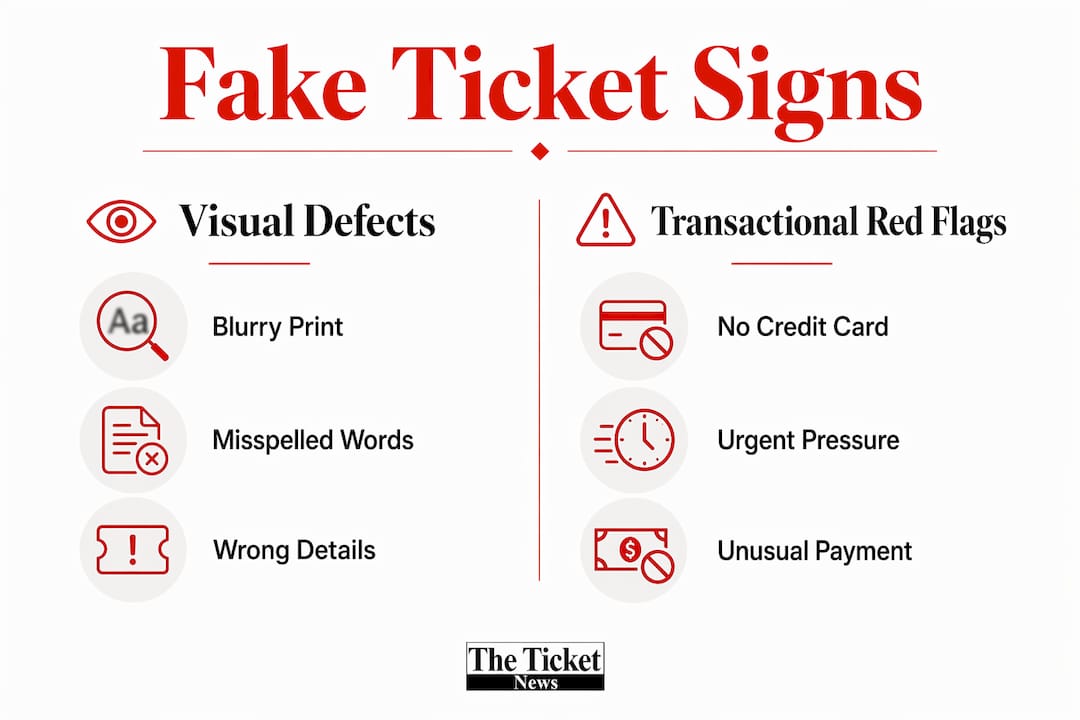
Fake tickets reveal themselves through both visual and transactional red flags. Knowing what to look for cuts your risk significantly, whether you are buying in person or online.
Visual defects to check immediately
Fake tickets often feature blurry printing, misspelled words, incorrect event details, or duplicated QR codes that cause denial of entry. Hold a physical ticket up to the light and look at the print quality. Legitimate tickets use professional printing with sharp fonts, consistent color, and clear barcodes. A smudged logo or an off-center barcode is a strong warning sign.
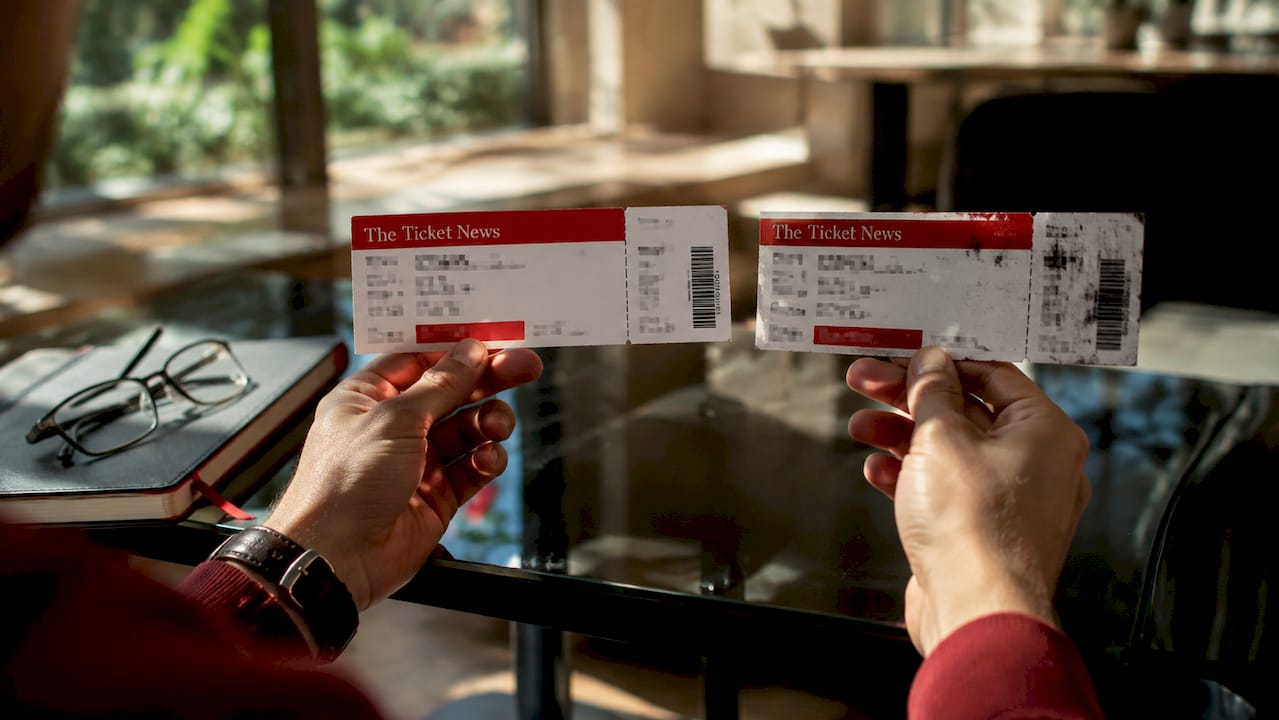
Check the event details carefully. Scammers sometimes copy a real ticket and change the seat number or section, hoping you will not notice until you are already at the venue. Compare every detail against the official event listing: date, venue name, section, row, and seat number.
Transactional red flags that signal fraud
Suspicious sales tactics are just as telling as visual defects. Red flags for ticket fraud include unfamiliar websites, unusually low prices, and requests for payment via methods that remove buyer protections. A seller who pushes you to decide in the next 10 minutes is using pressure to prevent you from doing any research.
Pricing that sits far below face value is a classic lure. Fraudsters know that a bargain is hard to resist, especially for sold-out shows. If a floor ticket to a major arena tour is listed at half the going resale price, treat that as a serious warning, not a lucky find.
- Blurry or smudged printing on physical tickets.
- Misspellings in the artist name, venue, or event title.
- Duplicate QR codes that match another ticket already in circulation.
- Prices far below market value for high-demand shows.
- Pressure tactics urging you to pay immediately before you can verify anything.
- Requests for wire transfer, cryptocurrency, or gift cards as payment. These payment methods provide no consumer protection and no way to dispute a fraudulent charge.
The payment method request is often the clearest signal of fraud. Any seller who refuses credit card payment and insists on Venmo “friends and family,” wire transfer, or gift cards is almost certainly running a scam.
How does technology prevent concert ticket fraud?
Modern event security goes far beyond a barcode scanner at the gate. Two technologies now define the front line of ticket fraud prevention: NFC/RFID hardware and AI-based fraud detection.
NFC and RFID wristbands
Modern concert events increasingly use NFC or RFID wristbands with cryptographic authentication chips that make digital cloning of tickets functionally impossible. Chips like NTAG 424 DNA and DESFire EV3 generate unique, one-time codes for each scan. That means even if a fraudster copies the visual appearance of a wristband perfectly, the chip will produce a different code than the original, and the gate system will reject it instantly.
Event organizers also use tamper-evident RFID wristbands and mesh networking at venues to detect and prevent counterfeit entries in real time. Gate staff receive an instant alert when a duplicate or out-of-window scan occurs. This lets security intervene before a fraudster gets through, not after.
AI-based fraud detection
AI-driven ticket fraud detection systems analyze ticket images and transaction behaviors in real time to identify duplicates, scalping, and cloned QR codes, enhancing event security. Real-time fraud dashboards reduce gate fraud by scanning each ticket entry the moment it is presented. The system flags anomalies that a human scanner would miss, such as a barcode that has already been scanned at a different gate 30 seconds earlier.
| Security method | How it works | What it stops |
|---|---|---|
| NFC/RFID chip | Generates a unique one-time cryptographic code per scan | Cloned wristbands and duplicate entries |
| AI fraud detection | Scans ticket images and transaction patterns in real time | Duplicate QR codes and scalped tickets |
| Closed-loop transfer | Ties barcodes to recipient accounts in official apps | Screenshot and PDF fraud |
| Tamper-evident wristbands | Physical design that shows visible damage if removed | Wristband sharing and resale |
Pro Tip: If your event uses RFID wristbands, do not let anyone else handle yours before entry. The chip is bound to your registration, and a damaged or swapped wristband will fail at the gate.
Visual inspection alone is not enough for high-security events. The real protection comes from hardware-bound cryptographic technology that fraudsters cannot replicate, no matter how good their printer is.
Safe practices for buying concert tickets
Smart buying habits are your first line of defense against counterfeit tickets. Follow these steps every time you purchase tickets, especially for high-demand shows.
- Pay with a credit card. Credit card payments offer consumer protections and the ability to dispute charges, unlike irreversible methods. If a ticket turns out to be fake, your card issuer can reverse the charge.
- Research the seller before you pay. Search the website name plus “scam” or “reviews” before entering any payment information. Check for a physical address, a working phone number, and a clear refund policy.
- Buy from the official resale checklist platforms. Verified resale marketplaces confirm ticket validity before you pay and back their listings with a buyer guarantee.
- Save every confirmation email and receipt. Official tickets come with an order confirmation that includes your name, the event details, and a unique order number. Keep this documentation until after the show.
- Use official transfer systems only. If a friend sends you a ticket, ask them to transfer it through the platform’s official transfer feature. Duplicate tickets sold multiple times cause entry denial, and official mobile apps generate unique QR codes tied to your account to prevent this.
- Avoid buying from strangers on social media. Social platforms have no ticket verification system. A seller with a convincing profile and five-star self-reviews can still hand you a worthless PDF.
- Check the safe buying steps guide for platform-specific advice before purchasing from any secondary market.
The Ticket News take: what fans still get wrong about ticket fraud
The most common mistake fans make is assuming that a ticket that looks real is real. After tracking fan reports and fraud cases across dozens of events, The Ticket News has found that the most convincing fakes are not the ones with blurry printing. They are high-quality color copies of genuine tickets, complete with accurate event details and a barcode that looks perfect to the eye but has already been scanned by someone else.
The second mistake is trusting urgency over logic. Fraudsters manufacture time pressure because it works. A seller who says “I have three other buyers interested right now” is almost always lying. Legitimate sellers do not need to rush you. Take the time to verify the platform, the seller’s history, and the payment method before you commit.
Technology is closing the gap, but it has not closed it entirely. NFC chips and AI fraud detection protect fans at the gate, but they do not help you before you buy. That gap is where most fraud happens. The best protection is still a combination of buying from trusted sources, paying with a credit card, and refusing any ticket that arrives as a screenshot or PDF.
Fraudsters adapt fast. The tactics that worked two years ago are now well-known, so scammers have moved to more sophisticated methods, including fake official-looking transfer emails and cloned ticketing platform websites. Bookmark the real URL of your ticketing platform and type it directly into your browser rather than clicking links in emails.
Find verified tickets and fraud alerts at The Ticket News
The Ticket News publishes up-to-date guides on ticket fraud, verified event listings, and buying tips for fans who want to attend shows without the risk of counterfeit tickets.

Whether you are planning for a festival weekend or a single arena show, The Ticket News covers the events and the buying strategies that keep your money safe. The site’s concert ticket scam guide walks you through the latest fraud tactics and the payment methods that protect you. For fans hunting deals without sacrificing security, the discounted festival tickets guide shows you where legitimate savings actually exist. Bookmark The Ticket News and check back before every major purchase.
FAQ
How can I tell if a concert ticket is fake?
Check for blurry printing, misspellings, and mismatched event details on physical tickets. For digital tickets, confirm the QR code refreshes in the official app rather than appearing as a static image in a screenshot or PDF.
What payment methods protect me from fake ticket scams?
Credit card payments are the safest option because they allow you to dispute fraudulent charges. Avoid wire transfers, cryptocurrency, and gift cards since these methods offer no consumer protection and no way to recover your money.
Are PDF or screenshot tickets ever legitimate?
Rarely, and only when the issuing platform explicitly supports printed tickets with unique barcodes. In most cases, a ticket sent as a screenshot or PDF is a fraud risk because the same image can be forwarded to multiple buyers.
What technology makes modern tickets harder to fake?
NFC and RFID chips with cryptographic authentication, such as NTAG 424 DNA, generate unique one-time codes that cannot be cloned. AI fraud detection systems also scan ticket data in real time to flag duplicates and cloned QR codes at the gate.
Where is the safest place to buy concert tickets?
The venue box office or the event’s official primary ticketing platform is always the safest source. If you must use the resale market, choose a verified platform that offers a buyer guarantee and confirms ticket validity before purchase.
Key takeaways
Spotting fake concert tickets requires verifying ticket authenticity through official sources, recognizing visual and transactional red flags, and paying with a credit card that allows charge disputes.
| Point | Details |
|---|---|
| Buy from official sources | The venue box office or primary ticketing platform is the safest starting point for any purchase. |
| Reject screenshots and PDFs | Only accept tickets through official transfer systems that generate a new barcode tied to your account. |
| Watch for red flags | Blurry printing, duplicate QR codes, and pressure to pay with gift cards or wire transfer all signal fraud. |
| Use credit card payments | Credit cards let you dispute fraudulent charges; irreversible payment methods leave you with no recourse. |
| Trust hardware over visuals | NFC chips and AI fraud detection provide security that visual inspection alone cannot match. |
Leave a Reply