The most effective ways to save on concert tickets combine verified presale access, fee-aware buying, and strategic timing. Service and processing fees can add 20 to 40% to the listed price, meaning a $200 ticket often costs $260 to $280 by checkout. Programs like Spotify Reserved and Ticketmaster Face Value Exchange now give budget-conscious fans real tools to fight inflated pricing. This guide covers every proven method, from fan reservation systems to secondary market tactics, so you spend less and see more.
1. Ways to save on concert tickets with verified presales
Verified presale programs are the single most reliable way to buy concert tickets at or near face value. They cut scalpers out of the equation before the general public sale even begins.
Spotify Reserved is the standout 2026 innovation for superfans. Launched in May 2026 with Live Nation as the launch partner, it reserves two tickets for eligible Spotify Premium subscribers based on artist engagement metrics. The system identifies listeners who stream an artist most heavily and offers them a dedicated purchase window before tickets go on sale to everyone else. Not every eligible fan receives an offer due to seat scarcity, but the program reduces the randomness of traditional on-sale chaos significantly.
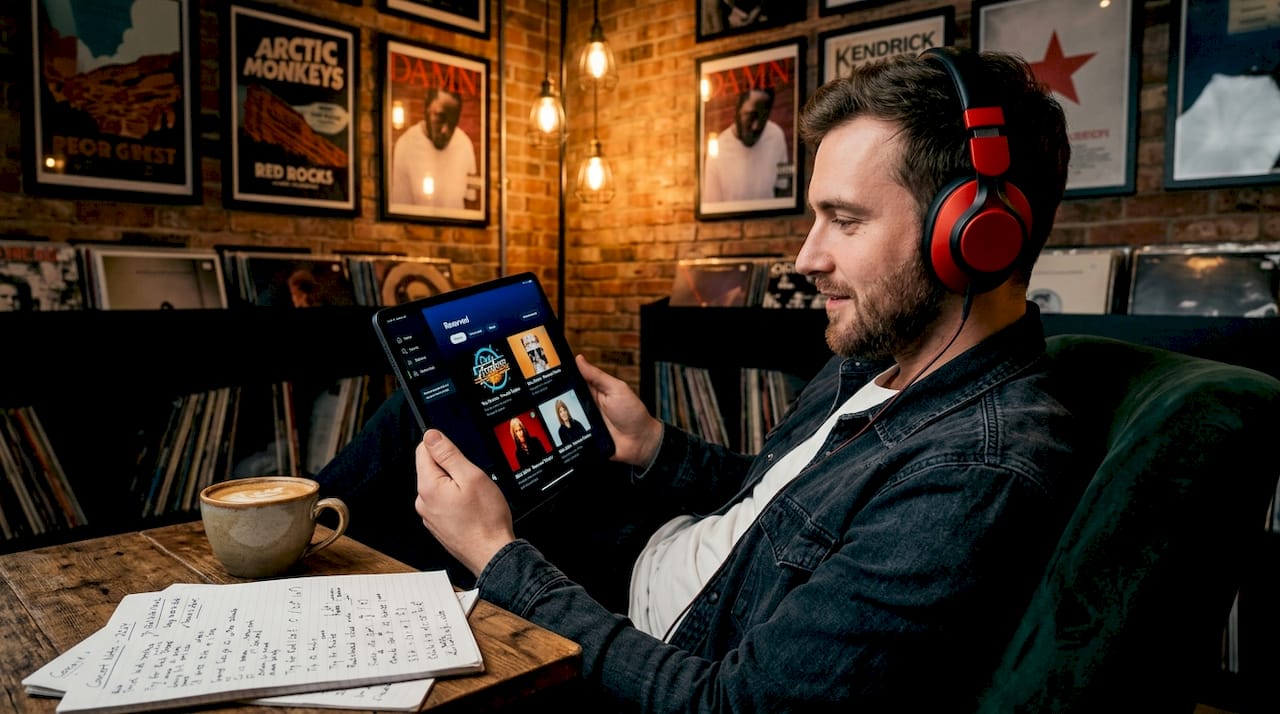
Ticketmaster’s Verified Fan presales work on a similar principle. Fans register in advance, Ticketmaster screens for bot activity, and approved buyers receive a unique access code. This keeps bulk purchases out of scalpers’ hands and keeps prices closer to what the artist intended.
Pro Tip: Sign up for artist newsletters and follow them on Spotify at least 30 days before a tour announcement. Both Spotify Reserved and Verified Fan eligibility are tied to documented engagement history, not just day-of interest.
- Register for Spotify Premium and stream your target artists consistently
- Sign up for Ticketmaster Verified Fan alerts for every artist you follow
- Check artist official websites for fan club presale codes, which often go live 48 hours before general sales
2. How timing affects ticket prices
Buying at the right moment is one of the most underused concert ticket saving tips available to fans. Resale prices on secondary platforms typically drop in the three to ten days before an event, as sellers get nervous about holding unsold inventory.
Weekday shows almost always carry lower resale prices than Friday or Saturday performances. A Tuesday night show by the same artist in the same venue can run 20 to 30% cheaper on resale platforms than the weekend equivalent. Offseason concert ticket savings strategies follow the same logic: tours that run in January through March face softer demand and lower secondary prices than summer stadium runs.
Early-bird presales offer the best face-value prices but carry the risk of buying before you know your schedule. Last-minute purchases offer potential discounts but risk sold-out shows or limited seat selection. The sweet spot for most fans is buying during the initial presale window if the artist is high demand, or waiting until one week out for mid-tier acts where resale inventory is likely to soften.
- Check resale prices daily starting 10 days before the event
- Compare weekday versus weekend show prices for the same tour leg
- Set price alerts on resale platforms so you get notified when prices drop
- For high-demand shows, buy during presale. For mid-tier acts, wait for the price dip
Pro Tip: For festivals and multi-day events, single-day tickets released closer to the event date often cost less than early-bird full passes. Check the festival’s official site for late-release day tickets before buying on resale.
3. Navigating secondary marketplaces safely
Secondary ticket marketplaces are not inherently bad. They become expensive and risky when you use them without understanding their fee structures and fraud patterns.
Fees on resale platforms routinely add 20 to 40% to the listed price. Always click through to the final checkout screen before comparing prices across platforms. A ticket listed at $150 on one site may cost $210 after fees, while a $165 listing on another site with lower fees ends up cheaper overall. This all-in pricing workflow is the single habit that separates experienced buyers from those who overpay.
Scam risk is real. The Canada Competition Bureau warns that fraudulent sellers use urgency tactics, fake countdown timers, and offers that appear too good to be true. Always verify event details against the official venue website, use a credit card for buyer protection, and avoid wire transfers or gift card payments entirely.
| Platform type | Fee range | Buyer protection | Best for |
|---|---|---|---|
| Official resale (Face Value Exchange) | Fees capped at face value | Yes, verified listings | Fair-price resale |
| Major resale marketplaces | 20 to 40% added fees | Varies by platform | Wide inventory |
| Fan-to-fan social groups | Low or no fees | None, buyer beware | Budget buyers with caution |
Ticketmaster’s Face Value Exchange caps resale prices at the original purchase price including fees. This is the safest resale option for buyers who want verified listings without scalper markups. Government price cap models project a 95% reduction in tickets resold by touts on capped platforms, which means primary sales will increasingly be the best place to find affordable concert options.
- Only buy from platforms that offer buyer guarantees and verified listings
- Always view the all-in price before comparing across sites
- Avoid sellers who pressure you to pay immediately or outside the platform
- Report suspicious listings to the platform and, if in the US, to the FTC
4. Memberships and credit card rewards that cut ticket costs
Membership programs and credit card perks are among the most overlooked discount concert ticket strategies. They require upfront enrollment but pay off quickly for regular concert-goers.
Live Nation All Access members receive early access to presales, discounted parking, and occasional ticket discounts for Live Nation-promoted shows. The membership fee is offset after two or three events for fans who attend regularly. T-Mobile customers get access to T-Mobile Tuesdays, which periodically includes concert ticket presales and discounts for major tours.
Credit cards from American Express and Capital One both offer dedicated presale windows for cardholders. The Amex Presale program covers a wide range of venues and tours, while Capital One Entertainment provides early access and occasional face-value pricing for cardholders. Neither program requires a separate membership fee beyond the card’s annual fee, making them efficient for fans who already carry these cards.
Promo codes circulate through artist fan clubs, radio station contests, and email newsletters from venues. Signing up for venue-specific mailing lists, such as those from Madison Square Garden or the Hollywood Bowl, delivers seasonal discount codes directly to your inbox. Summer ticket specials and holiday sales are the most common windows for these codes.
5. How ticket limits and venue policies shape your buying strategy
Ticket purchase limits per transaction are one of the most effective tools venues and artists use to reduce bulk scalper buying. Most high-demand shows cap purchases at two to four tickets per account. This directly limits how many tickets a single scalper can acquire, which keeps more inventory available for genuine fans.
Non-transferable tickets, tied to the buyer’s ID or payment card, go one step further. Some venues require the original purchaser to present ID at the door, making resale nearly impossible. This policy is increasingly common for major tours and benefits buyers who purchase directly from the venue box office or official ticketing partner.
Buying directly from venue websites or through official ticketing partners like Ticketmaster gives you access to these protections. Third-party resale purchases of non-transferable tickets carry the risk of being turned away at the door, which is a costly mistake. Always check the event’s transfer policy before buying on any secondary platform.
Government policy shifts are accelerating these protections. Estimates project an annual reduction of £112 million spent on inflated resale tickets as price cap policies take hold. For American fans, similar legislative conversations are underway, and the trend toward primary-sale protections is clear.
- Confirm the ticket transfer policy before buying on any secondary platform
- Buy directly from the venue or official ticketing partner whenever possible
- Use one account per household to stay within purchase limits and avoid flagging
- Check whether the event uses mobile-only entry tied to the original purchaser
Key takeaways
The most reliable way to save on concert tickets is to buy through verified presale channels, check all-in prices before committing, and time your purchase based on demand level and show day.
| Point | Details |
|---|---|
| Use verified presales | Spotify Reserved and Ticketmaster Verified Fan cut scalpers out before general sales open. |
| Always check all-in price | Fees add 20 to 40% at checkout. Compare final totals, not listed prices. |
| Time your purchase strategically | Resale prices drop 3 to 10 days before the event. Weekday shows cost less than weekend ones. |
| Use memberships and card perks | Live Nation All Access, Amex Presale, and Capital One Entertainment offer early access and discounts. |
| Buy direct to avoid scams | Official channels and Face Value Exchange provide verified listings and buyer protection. |
The Ticket News take on buying smarter in 2026
The concert ticket market in 2026 is genuinely better for fans than it was five years ago, but only if you know which tools to use. The fans who still overpay are the ones chasing the lowest number on a resale listing without reading the fee breakdown or checking the transfer policy.
What I have seen consistently at The Ticket News is that patience and preparation beat urgency almost every time. Spotify Reserved and Verified Fan programs exist precisely because the old “refresh and pray” model was broken. These systems reward fans who are already engaged, not just the fastest clicker on sale day.
The one habit I would push every reader to build is the all-in pricing workflow. Before you buy anything, go to checkout on at least two platforms and compare the final number. A $20 difference in listed price can disappear entirely once fees are applied. The total cost including fees is the only number that matters.
The resale price cap movement is also worth watching closely. If government models hold and for-profit resale drops sharply, primary sales will become the dominant and cheapest channel. Fans who build habits around official channels now will be positioned well when that shift fully arrives.
— The Ticket News
Find your next concert deal with The Ticket News
The Ticket News tracks presales, tour announcements, and ticket deals across hundreds of artists and venues so you never miss a buying window.

From discount tickets for major tours to coverage of emerging artists and festival lineups, The Ticket News delivers the information you need before tickets sell out. Bookmark the site and sign up for the newsletter to receive presale alerts, promo codes, and price drop notifications directly in your inbox. You can also explore VIP experience giveaways for fans who want more than just a seat. Every deal covered at The Ticket News is sourced from official channels, so you buy with confidence.
FAQ
What is the best time to buy concert tickets?
The best time to buy is during the initial verified presale window for high-demand shows, or three to ten days before the event for mid-tier acts when resale prices typically drop. Weekday shows also carry lower prices than weekend performances on the same tour.
How do I get access to Spotify Reserved tickets?
Spotify Reserved is available to Spotify Premium subscribers who have a documented history of streaming the touring artist. Eligibility is based on engagement metrics, and offers arrive through the Spotify app before general tickets go on sale.
Are resale tickets safe to buy?
Resale tickets are safe when purchased through platforms that offer verified listings and buyer guarantees, such as Ticketmaster’s Face Value Exchange. The Canada Competition Bureau advises using credit cards and avoiding sellers who pressure immediate payment outside the platform.
Why do concert tickets cost more at checkout than listed?
Service and processing fees routinely add 20 to 40% to the base ticket price. Always view the all-in total at checkout before comparing prices across platforms, since a lower listed price can end up more expensive after fees are applied.
Can I get free concert tickets?
Free tickets are available through radio station contests, artist fan club giveaways, venue loyalty programs, and platforms like winVIPtix that run VIP experience giveaways. Credit card reward programs from Amex and Capital One also occasionally include complimentary tickets as cardholder benefits.