A scalper ticket is a ticket purchased at face value with the sole intent of reselling it at a higher price for profit. The industry term for this practice is ticket scalping, and it operates within a global secondary ticket market estimated at USD 3.4 billion in 2024. That figure reflects how consistently demand outpaces supply for high-profile concerts, sports events, and festivals. Understanding how scalper tickets work, what the law says, and how to protect yourself as a buyer is the clearest path to making confident purchasing decisions.
What is a scalper ticket and how does the resale market work?
A scalper ticket enters the resale market the moment someone buys it with no intention of attending the event. The buyer, called a scalper or ticket tout, purchases one or more tickets during the primary sale and then lists them on resale platforms at a markup. That markup can range from modest to extreme, depending on how much demand exceeds the available supply.
The ticket resale market functions as a secondary economy layered on top of the official box office. Primary sellers set a face value price. Scalpers treat that price as a cost of goods and set their own resale price based on what buyers will pay. When a show sells out in minutes, the secondary market price can multiply several times over within hours.
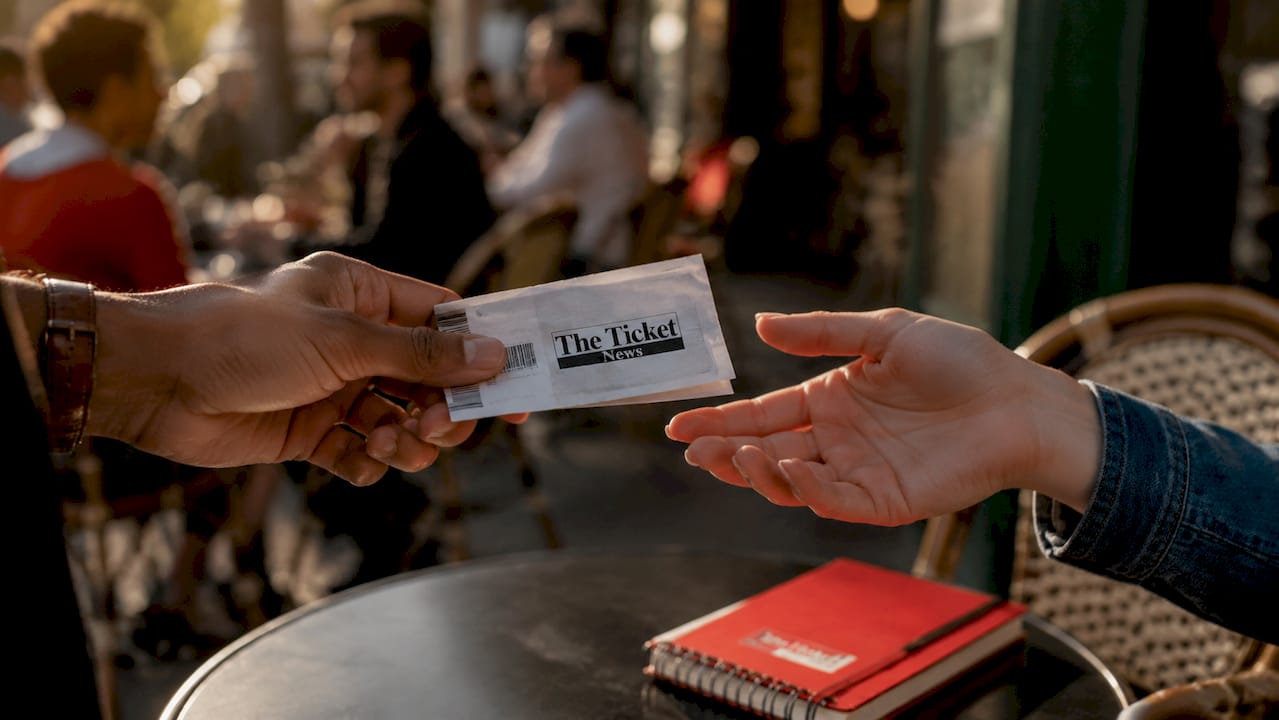
Scalper tickets are not always easy to identify. They look identical to legitimately purchased tickets. The difference lies entirely in the intent and the price paid. A fan who buys two tickets and sells one because a friend canceled is not a scalper. A person who buys 50 tickets across dozens of accounts to profit from the markup is.
How do scalper tickets work and who uses them?
Scalpers use several tactics to acquire large volumes of tickets before ordinary buyers can. The most common methods include:
- Automated bots: Bots purchase tickets in milliseconds by bypassing CAPTCHA systems and virtual queues, giving scalpers a speed advantage no human can match.
- Identity multiplication: Scalpers create hundreds of accounts using varied IP addresses and virtual payment cards to get around per-customer purchase limits.
- Loophole exploitation: Scalpers exploit coding errors, unpublished URLs, and pre-sale access codes to reach ticket inventory before it goes public.
- Speculative ticketing: Some scalpers list tickets they do not yet own, betting they can acquire them later at a lower price before the event date.
- Social media flipping: Scalpers sell directly through social platforms and classified ad sites, often at prices that undercut resale marketplaces but with far less buyer protection.
The people who scalp tickets range from individuals running small side operations to organized groups using professional-grade software. Large-scale operations treat ticket scalping as a full business, complete with dedicated servers, rotating proxies, and teams monitoring onsale times across multiple venues.
Pro Tip: Watch for tickets listed on resale platforms within minutes of an onsale going live. That speed almost always signals bot activity, which means the seller acquired those tickets through automated means rather than a fair queue.
Speculative ticketing deserves special attention. When a scalper lists tickets before owning them, you face the risk of paying in full and receiving nothing if the scalper fails to secure the inventory. This risk increases sharply as the event date approaches and the scalper runs out of time to fulfill the order.
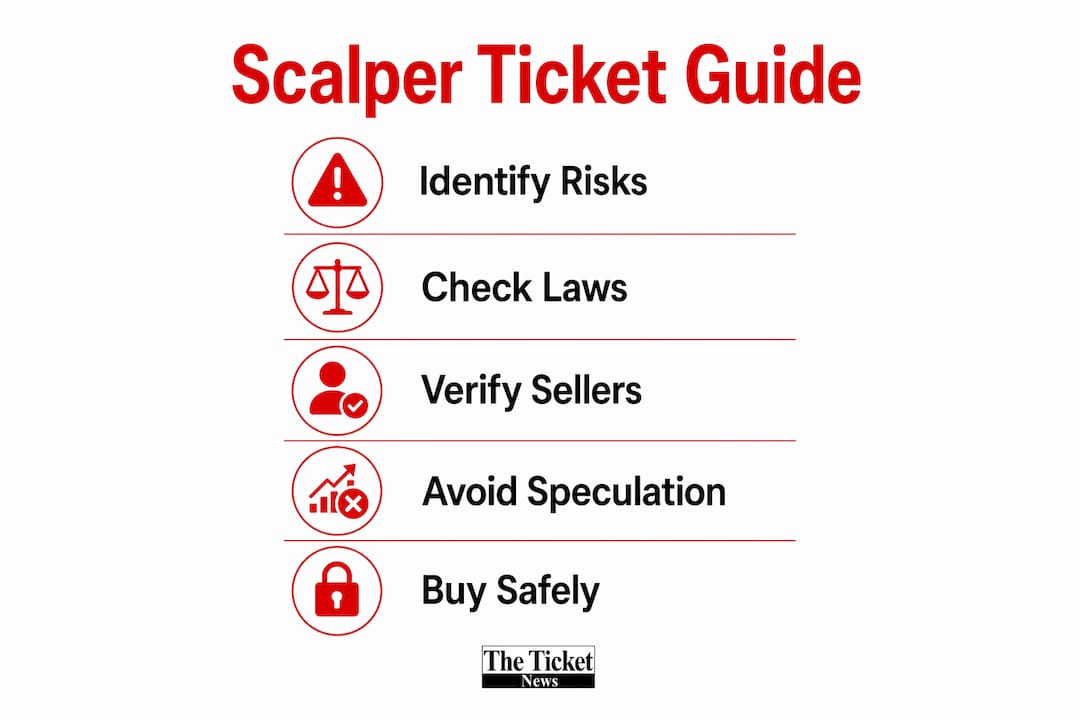
What is the legal status of scalper tickets in the US?
Ticket scalping occupies a legal gray area in the United States. No federal law bans scalping outright, but federal law does prohibit using automated software to purchase tickets in bulk by circumventing security measures. That means the act of reselling above face value is generally legal at the federal level, while the bot-driven acquisition method is not.
State laws tell a different story. The table below summarizes the key regulatory categories across the US:
| Regulatory category | What it means for buyers and sellers |
|---|---|
| No restrictions | Reselling above face value is fully legal |
| Price cap laws | Resale price is capped at a set percentage above face value |
| Licensing requirements | Scalpers must hold a license to legally resell tickets |
| Full scalping bans | Reselling above face value is prohibited entirely |
| Anti-bot enforcement | State law specifically targets automated ticket purchasing |
Fifteen US states have some form of scalping restriction or ban in place. That patchwork means a transaction legal in one state may be a criminal offense in another. The Federal Trade Commission has increased enforcement of price-transparency and anti-bot rules as of 2026, signaling that federal oversight is tightening even where outright bans do not exist.
Pro Tip: Before buying a resale ticket, check whether your state has a price cap law. If the listed price far exceeds the legal cap in your state, the seller may be operating illegally, and you may have recourse if the transaction goes wrong.
Dynamic pricing by primary sellers is also reshaping this space. When venues price tickets closer to their true market value from the start, scalpers have less room to profit. That practice improves price fairness for buyers who purchase directly from the primary seller.
What are the risks of buying scalper tickets?
Buying a scalper ticket carries real financial and practical risks. Knowing them before you buy is the best protection you have.
- Counterfeit tickets: Scalpers, especially unverified ones, sometimes sell duplicated or forged tickets. You may not discover the problem until you are turned away at the door.
- Duplicate tickets: A scalper may sell the same ticket to multiple buyers. Only one person gets in. The others lose their money.
- Speculative sale failures: If the scalper listed a ticket they did not own, they may cancel your order close to the event date, leaving you scrambling for alternatives at peak prices.
- No buyer protection: Purchases made through social media, classified ads, or informal channels typically offer no refund or dispute resolution process.
- Price inflation with no guarantee: You pay a premium above face value but receive no additional assurance that the ticket is valid or that the event will proceed as planned.
Buying from unverified sellers on social media or classified ad sites carries the highest risk of counterfeit tickets, scams, and non-delivery. The savings compared to a reputable resale platform rarely justify that exposure. A ticket that costs $50 less but never gets you through the gate is not a deal. It is a loss.
Scalping can also be viewed as a form of market exploitation, particularly when it prices out fans who cannot afford the markup. The dual nature of scalping as both a business practice and a barrier to access is why regulation continues to evolve in most markets.
How can buyers safely navigate the scalper ticket market?
You can buy resale tickets safely by following a clear process. These steps reduce your exposure to scams and counterfeit tickets significantly.
- Use authorized resale platforms. Established resale marketplaces offer buyer guarantees that cover you if a ticket is invalid or the event is canceled. That guarantee is worth paying for.
- Check seller reputation. Look at seller ratings, review counts, and transaction history before committing. A seller with hundreds of completed sales and strong reviews is far less likely to defraud you.
- Verify ticket authenticity before purchase. Some platforms offer barcode verification or transfer directly through the venue’s ticketing system. Prioritize those options.
- Compare the resale price to face value. Use the concert ticket resale checklist to assess whether the markup is reasonable or a red flag. Extreme markups often signal desperation selling or speculative listings.
- Time your purchase strategically. Resale prices often drop in the 24–48 hours before an event as scalpers cut losses on unsold inventory. If you can wait, you may find better prices closer to showtime.
- Explore alternatives first. Ticket lotteries, official waitlists, and last-minute releases from the primary seller can get you in at face value. Check the venue and artist websites directly before turning to the resale market.
- Avoid social media and classified ads. The risk of fraud on informal channels is too high to justify the potential savings. Stick to platforms with documented buyer protection policies.
The steps for safe resale buying apply whether you are buying for a stadium concert or a small festival. The platform and the seller reputation matter more than the price alone.
Key Takeaways
A scalper ticket is a face-value ticket resold at a markup, and buying one safely requires understanding the seller, the platform, and the legal rules in your state.
| Point | Details |
|---|---|
| Scalper ticket definition | A ticket bought at face value and resold at a higher price for profit. |
| Bot-driven acquisition | Scalpers use automated bots to buy hundreds of tickets in seconds, bypassing security. |
| Legal patchwork | No federal ban on reselling, but 15 US states restrict or prohibit scalping. |
| Speculative ticketing risk | Scalpers sometimes sell tickets they do not own, risking non-delivery for buyers. |
| Safe buying practice | Use authorized resale platforms with buyer guarantees and verify seller reputation first. |
The Ticket News take on scalper tickets and fan access
Scalping is not going away. The economics are too favorable for sellers, and enforcement is too inconsistent to deter organized operations. What has changed is the buyer’s ability to make informed decisions, and that shift matters more than any single law.
The most frustrating part of the scalper market is not the markup. It is the opacity. Buyers often do not know whether they are purchasing from a casual reseller or a professional scalping operation running bots. That uncertainty is where the real harm lives. A ticket priced at $300 above face value is at least honest about its cost. A ticket sold at a modest markup by a speculative seller who does not own it yet is a trap dressed as a deal.
Dynamic pricing by primary sellers is the most promising structural fix on the market right now. When the original ticket price reflects actual demand, scalpers lose their arbitrage margin. That does not eliminate scalping, but it compresses the profit window significantly. The venues and artists who have adopted dynamic pricing have seen secondary market premiums shrink as a result.
The Ticket News recommends treating every resale purchase as a due diligence exercise. Check the platform’s guarantee policy. Verify the seller’s track record. Understand what recourse you have if the ticket fails at the door. An informed buyer is the hardest target for a scalper to exploit.
— The Ticket News
Where The Ticket News helps you buy smarter
Sorting through the resale market takes time, and the wrong purchase can cost you far more than the ticket price.

The Ticket News covers the full picture of ticket marketplace dynamics, from how secondary markets set prices to which platforms offer the strongest buyer protections. Whether you are tracking down seats for a sold-out festival or trying to understand why tickets sell out before you even reach the checkout page, The Ticket News gives you the context to act with confidence. Browse the latest event coverage and buying guides at The Ticket News to stay ahead of the resale market.
FAQ
What is the scalper ticket definition in simple terms?
A scalper ticket is any ticket bought at face value and resold at a higher price for profit. The seller’s intent to profit from the markup, rather than attend the event, defines it as a scalper ticket.
Are scalper tickets legal in the United States?
Reselling tickets above face value is not federally banned, but 15 US states have laws restricting or prohibiting scalping. Using automated bots to purchase tickets in bulk is illegal under federal law.
What are the biggest risks of buying scalper tickets?
The main risks include counterfeit or duplicate tickets, speculative sales where the seller does not own the ticket yet, and zero buyer protection when purchasing through informal channels like social media.
How can I tell if a ticket is from a scalper?
Tickets listed within minutes of an onsale going live, priced far above face value, or sold through unverified social media accounts are strong indicators of scalper activity.
What is the safest way to buy resale tickets?
Use established resale platforms that offer buyer guarantees, verify the seller’s reputation and transaction history, and avoid purchasing through classified ads or social media where fraud risk is highest.