Roots music festival lineups are curated artist rosters that blend headliners, emerging talent, and local acts to deliver authentic Americana and country music experiences. The best examples of roots music festival lineups prove that balance matters more than star power alone. Festivals like Suwannee Roots Revival and Static Roots Festival show how thoughtful curation across multiple days creates moments that fans remember for years. Whether you are planning your first roots festival or looking for lineup inspiration, understanding what separates a great bill from a forgettable one changes how you experience live music.
1. What makes strong roots music festival lineups?
A strong roots music festival lineup balances three artist tiers: anchor acts, bridge performers, and discovery artists. Anchor acts are your headliners. Bridge performers are mid-tier artists with regional followings. Discovery acts are emerging or local talent who surprise the crowd.
Successful festival programming divides the budget across 1–2 major headliners, several mid-tier acts, and a rotating cast of local performers across multiple stages. That structure keeps ticket prices justified while giving the full day a natural rhythm. A lineup built only on headliners burns through budget fast and leaves dead air between sets.
Thematic coherence also drives audience loyalty. A festival rooted in Americana and old-time country music should not suddenly pivot to pop crossover acts. Fans come with expectations, and a lineup that honors those expectations builds repeat attendance.
- Anchor acts draw first-time buyers and justify premium ticket prices
- Bridge acts deliver consistent energy and often have the most passionate fan sections
- Discovery acts give the festival a reputation for breaking new talent
- Local performers handle transitions and keep the crowd engaged between major sets
Pro Tip: Book your bridge acts before your headliners. Locking in two or three strong mid-tier names gives you a clearer picture of the thematic direction before you commit to a top-of-bill act.
2. Suwannee Roots Revival: a four-day lineup built on depth
Suwannee Roots Revival is one of the clearest examples of how to build a multi-day roots festival with genuine depth. The 2026 edition runs four days and features Trampled by Turtles, Sam Bush, Leftover Salmon, and Peter Rowan as headline-level acts. Each of those names represents a different strand of roots music, from progressive bluegrass to old-time folk.
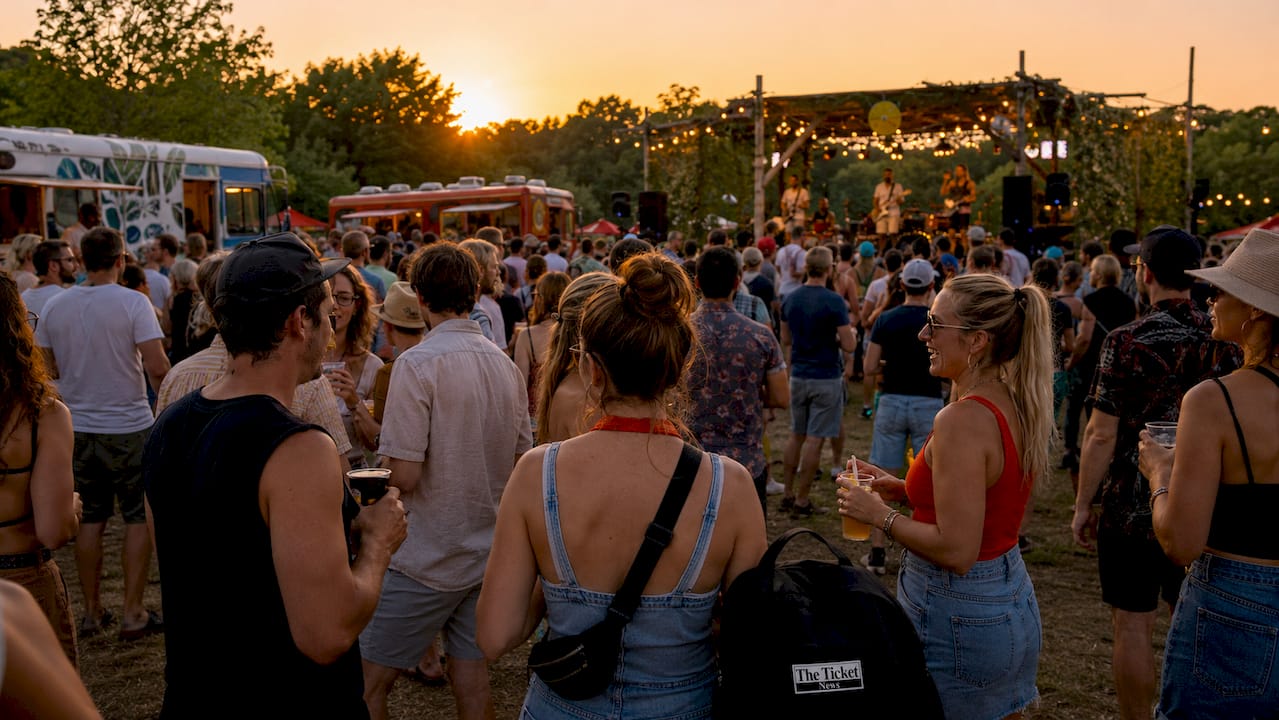
What makes this lineup work is the spread. No single genre dominates every slot. Trampled by Turtles brings a younger indie-bluegrass audience. Sam Bush pulls in seasoned newgrass fans. That cross-pollination keeps energy levels high across all four days.
Donna the Buffalo is a recurring act at Suwannee Roots Revival, anchoring the lineup year after year. Recurring acts like this build community trust. Regular attendees know what to expect, and first-timers get introduced to a beloved festival staple.
- Trampled by Turtles: progressive bluegrass with a broad crossover appeal
- Sam Bush: newgrass pioneer and a credibility anchor for the whole bill
- Leftover Salmon: high-energy Americana that works well as a late-night closer
- Peter Rowan: deep roots credibility connecting the lineup to bluegrass history
- Donna the Buffalo: the community anchor that returns fans year after year
3. Static Roots Festival: quality over quantity in two days
Static Roots Festival takes a different approach. Rather than spreading across four days, it packs 12 artists into two days with a tight, focused bill. That density forces curators to make every slot count. There is no room for filler.
The two-day format works well for festivals targeting a dedicated but time-limited audience. Fans who cannot commit to a four-day event get a concentrated dose of roots music without sacrificing variety. Six artists per day is enough to create momentum without exhausting the crowd.
Static Roots Festival’s lineup philosophy favors balance over spectacle. The artist distribution across both days mirrors the anchor-bridge-discovery ratio that programming experts recommend. That structure keeps the audience engaged from the first afternoon set to the final headliner.
4. Uncle Dave Macon Days: cultural contests alongside live music
Uncle Dave Macon Days proves that roots music festival highlights extend beyond the main stage. The 2026 edition includes national championships in banjo, fiddle, and mandolin across 9 contest categories. Those competitions are not sideshows. They are central to the festival’s identity.
Adding cultural contests to a lineup serves two purposes. First, it attracts participants who become paying attendees. Second, it reinforces the festival’s commitment to living tradition rather than nostalgia tourism. Audiences watching a national fiddle championship are experiencing roots music as a practice, not just a performance.
This model works especially well for festivals in regions with strong folk and old-time music communities. The contest format also creates natural programming breaks that give the main stage a chance to reset between sets.
5. How local and mid-tier artists shape the festival experience
Local artists are the structural glue of any well-run roots festival. Local acts manage sound transitions and safely pivot energy between major headliners. That role is underappreciated but critical. A poorly managed changeover kills crowd momentum faster than a bad headliner.
Mid-tier acts deliver something headliners often cannot: consistency. Mid-tier performers often create superior event value compared to singular A-list performers due to cost and fanbase factors. A mid-tier act with a loyal regional following fills the space between sets with genuine enthusiasm, not polite applause.
Festivals that support local artists also build long-term goodwill in their host communities. Local performers bring their own audiences, reduce travel costs, and create a sense of place that national touring acts cannot replicate.
“The most memorable festival sets I have ever witnessed came from artists I had never heard of before that afternoon. Mid-tier and local acts carry the emotional core of a great roots festival.”
Pro Tip: When reviewing a festival lineup, count the local and regional acts. A bill with fewer than three local performers is likely over-indexed on headliner spending and may feel thin outside the top slots.
6. Programming tips for curating diverse roots festival lineups
Building a great roots music bill requires a clear framework. These steps reflect what works across the most successful festival lineups in 2026.
- Set a clear theme first. A clear festival theme attracts the right audience and sponsors, preventing the event from feeling scattered. Decide whether your festival centers on old-time Appalachian music, progressive Americana, or a broader country-roots blend before booking a single act.
- Apply the anchor-bridge-discovery ratio. A discovery density ratio of one known anchor for every two bridge or discovery acts keeps audiences engaged without overwhelming them. That ratio also controls costs.
- Curate cross-genre within a coherent family. Americana, bluegrass, old-time country, folk, and roots rock all share enough DNA to coexist on one bill. Mixing these styles creates variety without confusion.
- Use emotional framing to connect diverse acts. Audience engagement improves when lineup diversity is emotionally and thematically framed. A brief stage introduction that connects one artist to the next builds narrative momentum across the day.
- Schedule strategically. Place high-energy acts after slower, introspective sets. Build toward your headliner rather than front-loading the bill.
The table below shows how the three artist tiers map to programming goals and budget priorities.
| Artist tier | Programming role | Budget priority |
|---|---|---|
| Anchor (headliner) | Drives ticket sales and media attention | Highest (40–50% of talent budget) |
| Bridge (mid-tier) | Maintains energy and fills peak afternoon slots | Moderate (30–40% of talent budget) |
| Discovery (local/emerging) | Creates surprise moments and community connection | Lower (15–25% of talent budget) |
For more on how award recognition shapes which artists land on festival bills, The Ticket News covers country music awards and festivals in depth.
Key takeaways
The strongest roots music festival lineups combine anchor headliners, mid-tier bridge acts, and local discovery artists in a ratio that sustains energy, controls costs, and builds community across every day of the event.
| Point | Details |
|---|---|
| Balance artist tiers | Use one anchor act for every two bridge or discovery performers to maintain engagement. |
| Local acts are structural | Local performers manage transitions and bring built-in audiences that headliners cannot replicate. |
| Theme drives everything | A clear roots or Americana theme attracts the right fans and sponsors before a single ticket sells. |
| Mid-tier acts deliver value | Mid-tier performers often outperform single A-list headliners for overall event value and crowd energy. |
| Cultural programming adds depth | Contests and heritage elements, like those at Uncle Dave Macon Days, extend the festival beyond the main stage. |
What The Ticket News has learned about roots festival lineups
The festivals that stay in fans’ memories are rarely the ones with the biggest names. They are the ones where the lineup felt like it was built by someone who actually loved the music. That distinction shows up in the details: a local fiddle player opening the main stage at noon, a mid-tier Americana band closing out the second stage on a Saturday night, a contest tent where the audience becomes the performer.
The 2026 roots festival season reinforces something we have observed for years. Recurring acts like Donna the Buffalo do more for a festival’s identity than any single booking coup. Fans plan their weekends around those familiar names. New attendees discover them and become regulars. That cycle is how a festival builds a lasting community rather than a one-time event.
The festivals that struggle are usually the ones that spent too much on one headliner and left the rest of the bill thin. A single big name cannot carry four days. The classic country festival experiences that endure are built on depth, not spectacle. Curators who understand that produce lineups worth traveling for.
— The Ticket News
Your next roots festival starts at The Ticket News
The Ticket News covers roots music festivals, lineup announcements, and ticket options across the full Americana and country spectrum.

From the Bristol Rhythm & Roots Reunion to regional bluegrass weekenders, The Ticket News tracks the events worth your time and money. Whether you want early lineup news, ticket price alerts, or a breakdown of which festivals offer the best value for multi-day passes, The Ticket News has you covered. Check the latest festival coverage and find tickets before prices move.
FAQ
What is a roots music festival lineup?
A roots music festival lineup is a curated roster of artists performing across one or more days, typically blending Americana, bluegrass, country, and folk genres. The best lineups balance headliners, mid-tier acts, and local performers.
How many artists should a roots festival lineup include?
Static Roots Festival fits 12 artists across two days, while Suwannee Roots Revival spreads its bill across four days. The right number depends on stage count, daily capacity, and budget allocation across artist tiers.
Why do roots festivals include local artists?
Local artists manage set transitions, bring built-in regional audiences, and keep crowd energy consistent between major headliners. They also reduce travel costs and create a sense of place that touring acts cannot provide.
What is the anchor-bridge-discovery ratio?
The anchor-bridge-discovery ratio is a programming framework that places one known headliner for every two mid-tier or emerging acts. This ratio sustains audience engagement while encouraging discovery and controlling talent costs.
How do cultural contests fit into a roots festival lineup?
Cultural contests, like the national banjo, fiddle, and mandolin championships at Uncle Dave Macon Days, extend the festival experience beyond the main stage. They attract participants as attendees and reinforce the festival’s connection to living musical tradition.